
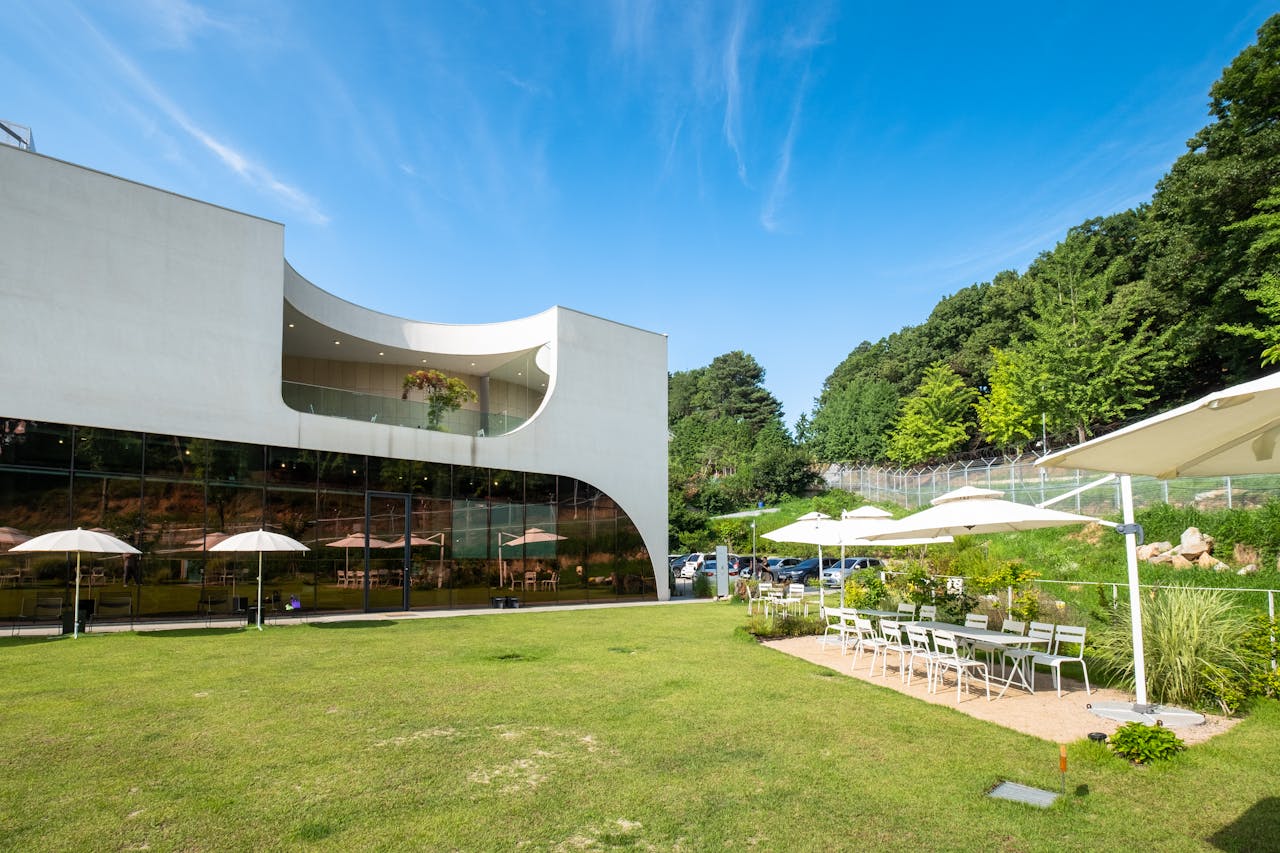
Let’s be honest. A garden is often the first thing people notice when they visit a house. Before the living room, before the kitchen. And yes, it can change everything. I’ve seen buyers fall in love just because of a clean path, a shady corner, or that feeling of “I could drink coffee here every morning”. That’s powerful. A functional and aesthetic garden doesn’t just look nice. It reassures, it projects a lifestyle, and it quietly adds value to the house without shouting.
Second thing people forget : a good garden isn’t about money first, it’s about choices. I once visited a small house near Lyon with a tiny yard. Nothing crazy. But the layout was smart, the flow made sense, and the plants were well placed. It felt bigger than it was. The owner had worked with a local landscaper and even shared a few ideas inspired by https://paysagiste-mions.fr, and honestly, it showed. Everything had a purpose. No wasted space. No random decoration.
Start with function before beauty (yes, really)
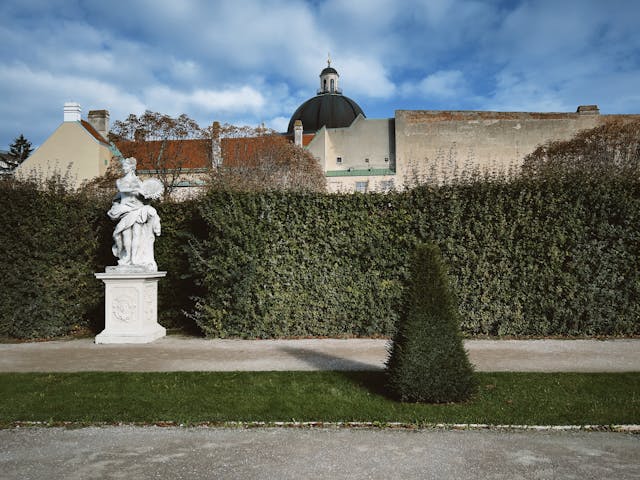 I know, it’s tempting to think design first. Fancy plants, trendy materials, Pinterest stuff. But stop a second. How do you actually want to use your garden ? Lunches with friends ? A play area for kids ? Quiet evenings with a book ? If you don’t answer that, the rest won’t work.
A functional garden usually means :
– Clear paths (so people don’t walk through flower beds, trust me it happens)
– Defined zones (dining, relaxing, circulation)
– Easy maintenance (buyers hate complicated gardens, even if they don’t say it)
Frankly, a simple terrace with good proportions often adds more value than a complex garden that feels hard to manage.
Create visual structure (even in small gardens)
This is where things get interesting. Structure is what makes a garden look “designed” and not accidental. And no, you don’t need a huge budget.
Think in lines and volumes. Low walls, hedges, borders, steps. Even one straight path can organize the whole space. I’m always surprised how a basic wooden deck or a gravel path can instantly upgrade a garden’s vibe.
Vertical elements help a lot too. Pergolas, trellises, or even a simple fence with climbing plants. They give height, depth, and that cozy feeling buyers love. Have you ever noticed how a garden without vertical elements feels flat ? Exactly.
Choose plants that feel alive, not overwhelming
Here’s my personal opinion : too many plants kill the charm. A few well-chosen species, healthy and adapted to the climate, are way more attractive.
Buyers don’t want a botanical challenge. They want something that looks good in April and still okay in August. Mix evergreen plants with seasonal ones. Add one or two “wow” elements, like a small tree or a sculptural shrub, and stop there.
Also, think about smells and sounds. Lavender near a path. Grasses that move with the wind. These details are subtle, but they stick in memory. And memory sells houses.
Lighting : the detail that changes everything
Underestimated. Always. A garden without lighting feels unfinished. Even a few solar lights can transform the space at night.
Focus on :
– Path lighting (safety first)
– Accent lighting on trees or walls
– Soft light near seating areas
I once visited a house in the evening, and the garden lighting alone made me think “this place is special”. That’s exactly the reaction you want from a potential buyer.
Keep maintenance realistic (buyers think ahead)
Here’s a hard truth : a garden that looks expensive to maintain scares people. Yes, even if it’s beautiful.
Limit fragile plants. Avoid complex irrigation systems unless they’re well explained. Go for materials that age well. Stone, wood, metal. Things that don’t scream “repair me”.
If a buyer feels confident they can manage the garden without stress, you’ve already won half the battle.
Does a garden really increase property value ?
Short answer ? Yes. Long answer ? It depends on how it’s done.
A clean, structured, and welcoming garden can increase perceived value by 5 to 15%, sometimes more. Especially in suburban or family-oriented areas. But only if it feels usable and coherent with the house.
Ask yourself this : if you were visiting your own house for the first time, would you want to stay outside a bit longer ? If the answer is yes, you’re on the right track.
And if you’re hesitating, that’s normal. Garden design isn’t about perfection. It’s about balance. And when that balance is right, buyers feel it instantly.